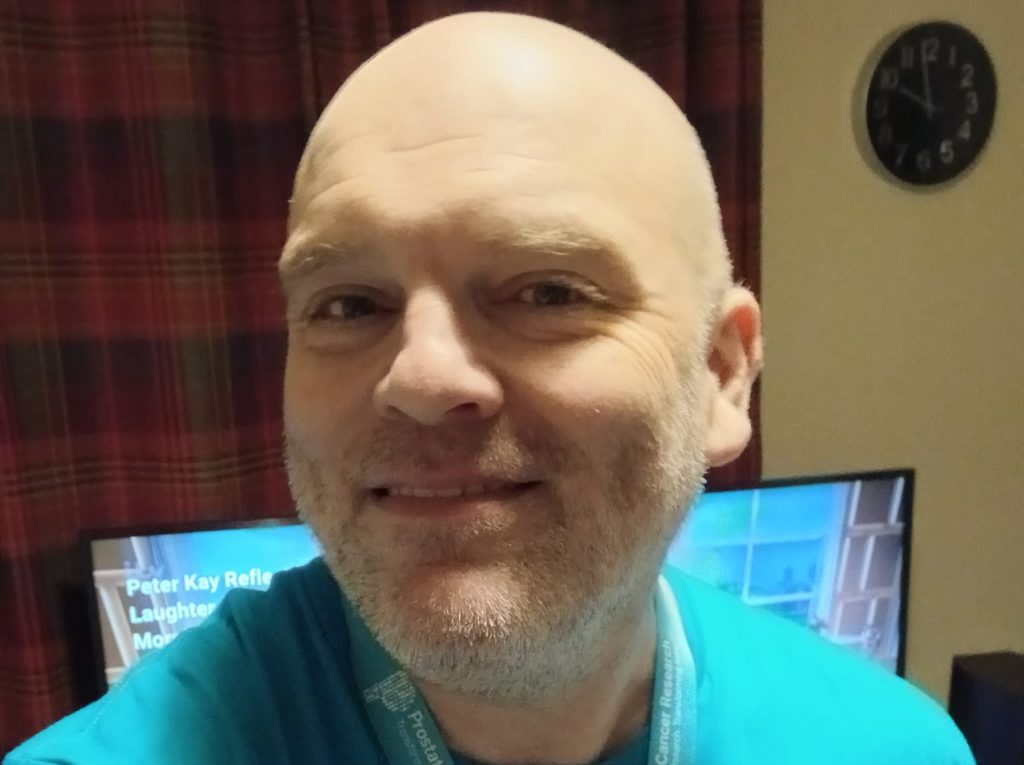
A man from Swinton has opened up about his mental health at Christmas.
Ben Fell, 49, from Swinton, who has suffered from depression for 19 years, finds this time of year significantly more difficult.
Ben used to love the festive period until the break-down of a relationship left him with a lingering feeling of sadness, particularly at Christmas.
He said: “I became a dad quite young. I was 20 years old at University. I loved Christmas at the time with my partner and daughter. Then suddenly finding yourself alone – that was the first time I linked depression to the time of year.”
This time of year is bittersweet for Ben and he chooses to celebrate Christmas alone.
“I think maybe I’m just so used to being on my own.
“I just find Christmases with family a bit stressful.”
Many of us might experience a change in mood in the midst of winter. It is common to put your feelings down to the weather, but there is a deeper explanation. Seasonal Affective Disorder (SAD) is a type of depression that comes and goes in a seasonal pattern.
NHS UK refers to SAD as “winter depression” because the symptoms are usually more apparent and more severe during the winter. People suffering from the disorder could experience a persistent low mood, feelings of despair, guilt and feeling lethargic.

Alison Watson, Business Development Officer of MIND, Salford recognises that Christmas is not always ‘the most wonderful time of the year’.
There is an expectation of how to feel on the run-up to Christmas. Due to the commercialisation pressure of parents wanting to provide the best for their children.
Alison said: “It isn’t always a happy time for people. In addition to that, you’ve got things like issues with family or money problems.” The charity provide a ‘money and me’ project to give tips surrounding money and its connection with Christmas.
Seasonal depression is an issue which MIND charity in Salford feels strongly about. Alison has seen a rise in depression recently.
She said: “Across the whole MIND network across the UK, we’ll see that change with Seasonal Affective Disorder, obviously people experience it at different seasons but as we come into that autumn, winter season- we will see a change in statistics.”
The mental-health charity offers a range of services to those who may be affected by the disorder. MIND are in the process of creating social-media posts, to guide people through this difficult time. Activities such as self-care- are a vital tool to ‘help people that are going through this’.
Alison wishes to raise awareness about the disorder.
She added: “It’s about educating people, to be able to recognise the signs and symptoms. Knowing ways for people to cope and have their own kind of toolkit to support themselves through this period.”
It is common to put these blue feelings down to the season change and festive period. But, in fact this is not always the case.
She said: “People think that it’s just something to do with the winter months and the weather and you can snap out of it and obviously that’s a myth.”
It might be tempting to shut yourself away but it is beneficial to make the most of the daylight- while also being ‘kind to yourself’. There is still stigma around seeking help. MIND recognise that is a crisis and therefore have conversations 365 days a year to shine light on the topic.
Ben says he struggles with feeling isolated due to the difficulty of building friendships.
He said: “So in my personal situation, I’m kind of like sat in Swinton, but I don’t really feel connected to anyone. It’s quite hard to make new friends, I think, when you’re later in life.”
The most important tool in providing support is communication, says Alison.
Alison said: “The first time you tell somebody where they can get help, they might not take up that offer.
“There’s no shame around having help.It’s making sure that people eventually will come and reach for help.”
There are many activities you can do to make those dark mornings a little easier. Vitamin D supplements and UV light therapy can make up for the lack of sunlight. Alison highly recommends physical activities such as walking and most importantly social interaction.
She said: “Sometimes it’s just as simple as taking a few minutes to ring someone or connect with somebody you haven’t heard from in a while.”
The festive period can be difficult for many other people, so it is more important than ever to be aware of the help available in Salford.
Click here for some advice and support from MIND.


Recent Comments